
£2.65 – £39.00Price range: £2.65 through £39.00
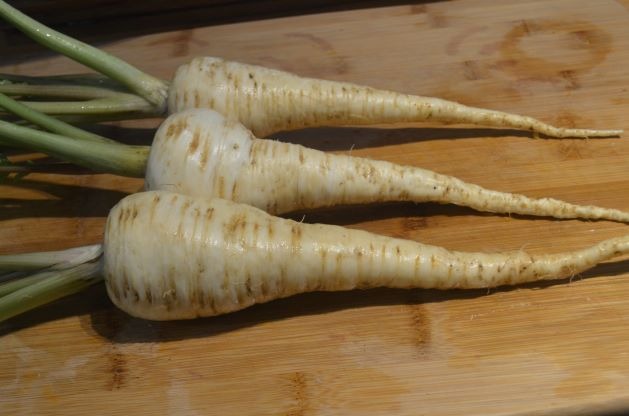
Everton is a very vigorous parsnip, adapted to different types of soil. Its creamy white roots are very homogeneous and tapered in shape. They are 25 to 30cm long. It is appreciated for its good storage capacity in the field, even in cold conditions.
Scroll down for more info.
Parsnip: Everton
Pastinaca sativa
Approximately 200 seeds per g
Parsnips, those unmistakable aromatic roots have been cultivated for hundreds of years. The flesh is very sweet and was used for it’s sweetness before sugar cane and sugar beet were introduced.
It is biennial but is grown as an annual, the roots harvested before they get woody and the plant goes up to seed in the second year. You can leave the roots in over winter and harvest as required although the foliage does die down which can make them hard to spot in the garden.
Everton is a very vigorous parsnip, adapted to different types of soil. Its creamy white roots are very homogeneous and tapered in shape. They are 25 to 30cm long. It is appreciated for its good storage capacity in the field, even in cold conditions.
How to grow:
Grow in the miscellaneous section of your rotation.
Parsnips do well in fairly rich soil which has been well cultivated, but not freshly manured, and is not stony. This means there is less chance of the roots forking.
Traditionally sown from February, parsnips do better when the soil has warmed up a little and can be sown until May. Sow directly into the growing site. Make rows 2 cm deep and 30 cm apart and sow 2 or 3 seeds every 15 cm or so. If more than one germinates thin to leave just one seedling. Parsnip can be slow and erratic to germinate, they do best planted later in warmer soils and always use fresh seed.
Pests and diseases:
The major problem effecting parsnip is canker. Its a fungal disease that leads to rusty brown patches on the roots especially around the crown.
Usually most of the root remains unblemished and is fine to eat. Some canker resistant varieties are available.
How to cook:
Cut off the leafy top and wash away the dirt, young roots can just be scrubbed clean while older ones will need to be peeled. Chop and boil to mash as a puree or cut into the desired shape and roast.
Parsnips make excellent croquettes, they go well in curry, soups and stews and can even be used like carrot in cakes.