
£2.65 – £82.00Price range: £2.65 through £82.00
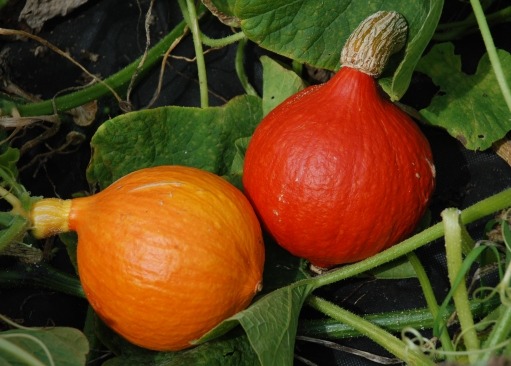
Fictor is a professional standard, non-hybrid Uchiki Kuri type which is faster growing so can be sown later if required. Fictor is quite vigorous and produces a large number of fruits with the preferred weight of 1kg. The fruits are dark orange-red, shiny and have a good storage capacity. Fictor is not an open pollinated variety nor, indeed, a true F1. It is a cross of incomplete inbred and somewhat related parental lines. FIC (Family Inter-Cross) which is a whole new breeding concept. Fictor stores well but cold storage temperatures should be above 8 Deg. C to prevent skin damage. Cropping 90-100 days from transplant.
Scroll down for more info.
Squash: Fictor
Cucurbita maxima
Approx.4-5 seeds per gram
Squash has become such a popular vegetable to grow over the last decade or so – and for good reason.
Butternut is one of the best known but there are so many varieties to choose from. There are summer and winter types.
Summer squash are thin-skinned with a lighter, moist flesh. They are best eaten fresh.
Winter squash have a harder skin and dense flesh with a more intense flavour. They can be stored for a few months after harvest.
Fictor is a professional standard, non-hybrid Uchiki Kuri type which is faster growing so can be sown later if required. Fictor is quite vigorous and produces a large number of fruits with the preferred weight of 1kg. The fruits are dark orange-red, shiny and have a good storage capacity. Fictor is not an open pollinated variety nor, indeed, a true F1. It is a cross of incomplete inbred and somewhat related parental lines. FIC (Family Inter-Cross) which is a whole new breeding concept. Fictor stores well but cold storage temperatures should be above 8 Deg. C to prevent skin damage. Cropping 90-100 days from transplant.
How to grow:
Grow in the miscellaneous section of your rotation.
Sow seeds in large modules or 8cm pots in April and May.
Harden off and plant into the growing site after all danger of frost has passed. Plant at a distance of at least 60cm. Keep watered if the weather is dry after planting.
The vines are vigorous with large leaves. Yellow trumpet flowers appear and the pollination between male and female flowers is done by bees and other insects.
Harvest the squashes when ready from September to November and before the first frosts.
Pests and diseases:
Squashes are easy to grow and do not suffer from many pests and diseases. Slugs can be problem at planting out and you may have to protect the young plants with environmentally friendly slug protection.
How to cook:
Squashes are very versatile in the kitchen. They make great soup and are also very good in stews and curry. The skin can be pretty hard and difficult to remove so take care when cutting them up.
Winter squashes make excellent spicy wedges. Put a small amount of oil and spices in a bowl and stir in prepared squash until coated. Roast in a hot oven for 20 or 30 minutes until soft on the inside and crunchy on the outside. Serve in wraps with lettuce and yoghurt or guacamole, or as a side dish with chilli.